Cognitive Function
Physical activity has been linked to improved focus, memory, and cognitive performance in various studies.
Understanding how regular movement and mindful choices contribute to everyday wellbeing
How movement supports your body's natural functions
Regular physical activity is associated with numerous aspects of physical wellbeing. Movement helps maintain cardiovascular function, supports healthy circulation, and contributes to maintaining a healthy weight range.
Engaging in varied forms of exercise can help preserve bone density, maintain muscle mass, and support joint flexibility as you age.
Physical activity also plays a role in supporting metabolic function and may contribute to better sleep quality when practiced consistently.

Physical activity has been linked to improved focus, memory, and cognitive performance in various studies.
Movement can serve as a natural outlet for tension and may help regulate stress responses over time.
Regular exercise is associated with positive mood states and emotional regulation through various physiological mechanisms.
Consistent physical practice may contribute to greater mental resilience and adaptive coping strategies.
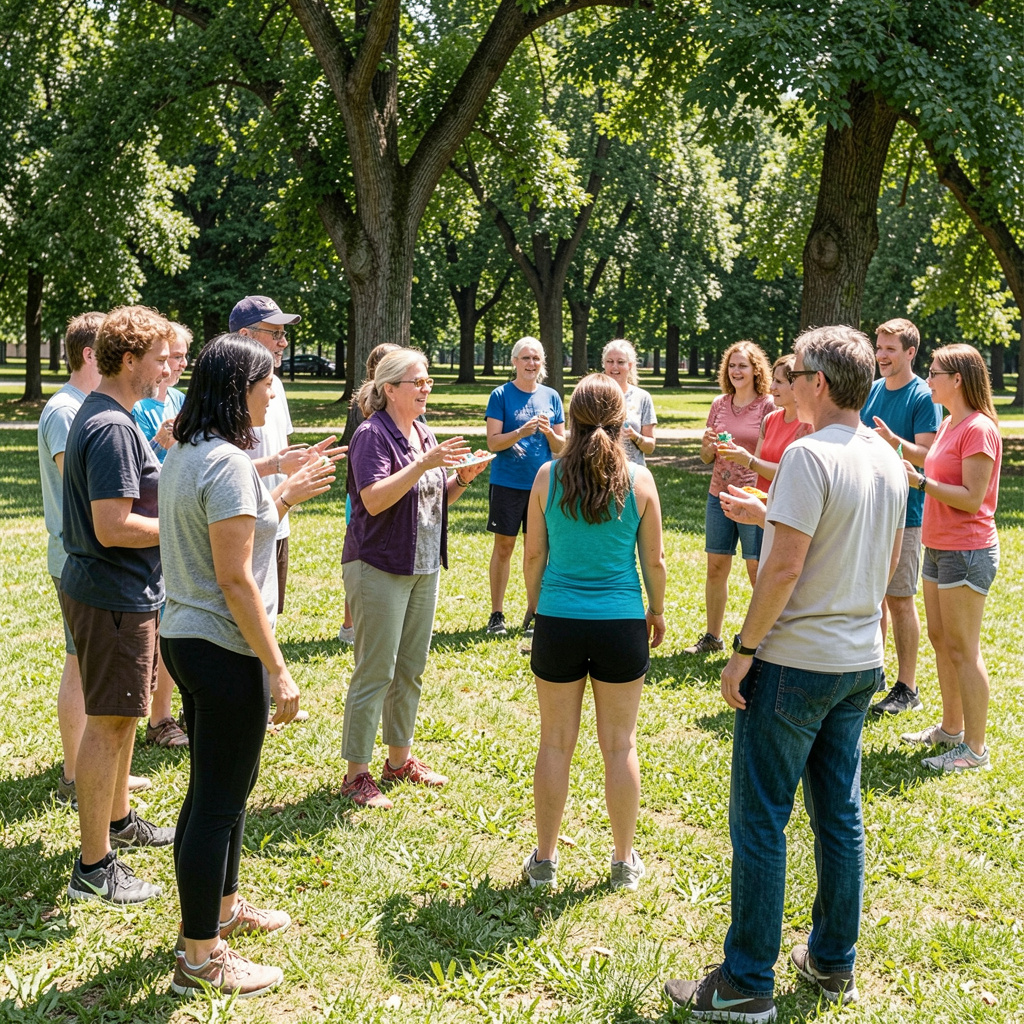
Participating in group activities or fitness classes can provide opportunities for social interaction and community building.
Shared physical experiences often create natural connections with others who have similar interests and goals.
Whether through team sports, walking groups, or fitness classes, the social dimension of movement adds another layer of wellbeing to the physical benefits.
Get in TouchBuilding a foundation for sustained wellbeing
Sustainable wellness comes from consistent, moderate efforts rather than intense short-term commitments.
The most effective approaches are those that become natural parts of your daily routine over time.
Your wellness practices should evolve with your changing needs, circumstances, and life stages.
Beginning an active lifestyle does not require dramatic changes or expensive equipment. Start with activities you enjoy and can realistically maintain.
Consider your current fitness level, available time, and personal preferences when choosing activities. Even brief periods of movement throughout the day can contribute to overall wellbeing.
Remember that consistency matters more than intensity. A moderate routine you can maintain is more valuable than an ambitious plan you cannot sustain.
Disclaimer: All materials and practices presented are for educational and informational purposes only and are intended to support general well-being. They do not constitute medical diagnosis, treatment, or advice. Before applying any practice, especially if you have chronic conditions, consult a qualified healthcare professional.